Policy A.6
Our Specialized Residential & Care Programs
Amazing Heart Healing Home Inc. provides living programs for children and youth from birth to 18 years, adults from 19 to 24 years, and for families that are designed to support healthy development, skill-building, and long-term success. The program is flexible and tailored to meet the unique needs of each child, youth, or adult ensuring that every individual receives the guidance and support they require to thrive.
1. Child & Youth Group Living Program
Ages 0 to 18 | Sibling Group Specialization
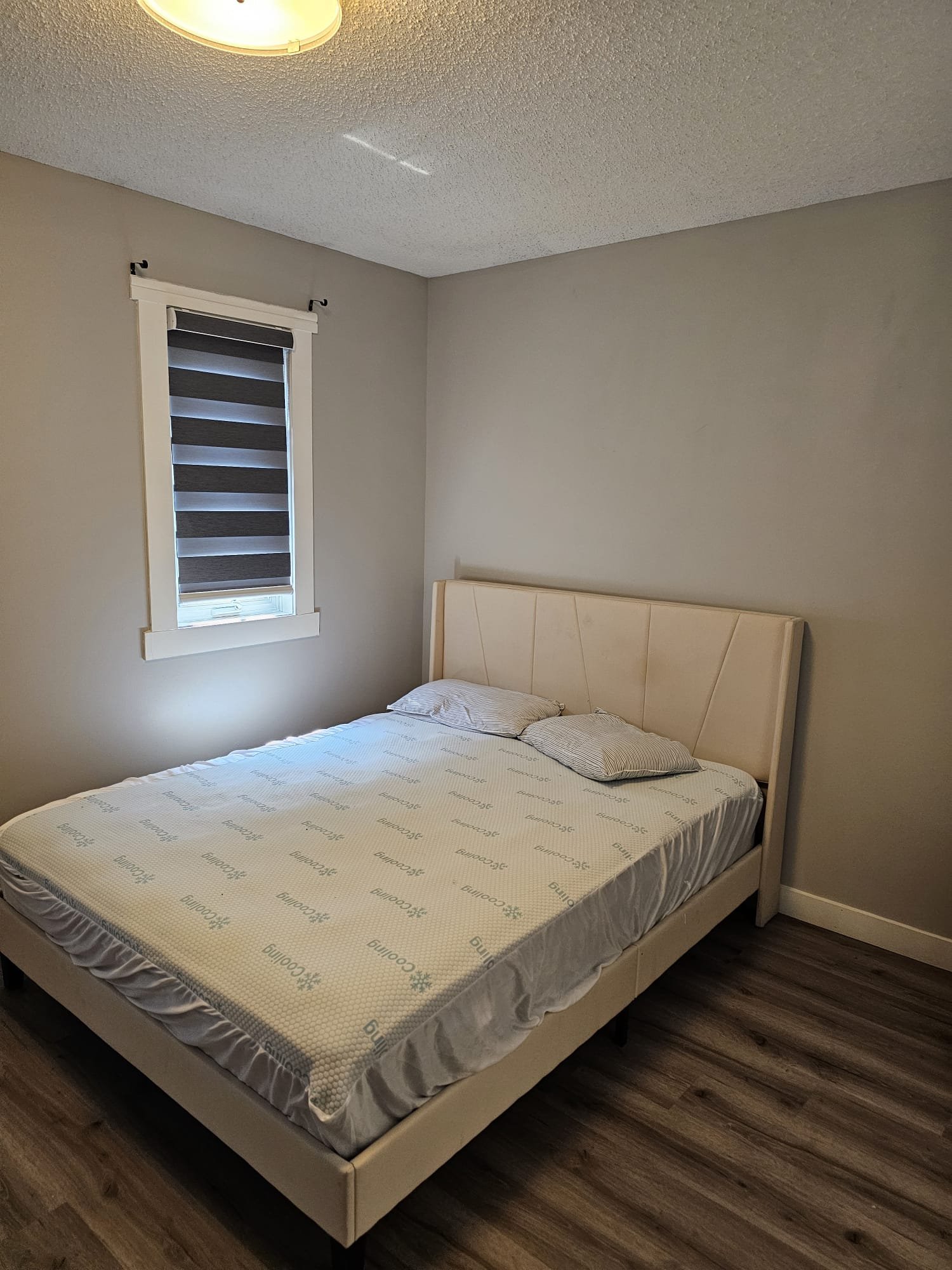
The community-based group living programs are located in the Edmonton area. The home has the capacity to accommodate four (4) children and youth with the ability to expand to five (5) to accommodate a sibling group. The programs provide a safe, nurturing and milieu-based living environment that addresses referral issues, healing of trauma, addressing relationships with family, peers and on-going needs of the individuals. The programming consists of specifically designed supports, teaching opportunities and relationships to further develop skills including communication, anger management, conflict resolution, self-identity and emotional wellness.
- •24/7 Awake Supervision: Maintained at a strict 1:4 awake staff-to-youth ratio overnight to maximize immediate physical and emotional safety loops.
- •Trauma-Informed Care Framework: Staff work collaboratively with children, youth and families, and communities to support healing and reinforce positive relationships.

2. Transitional Independent Living Program
Ages 19 to 24 | Self-Sufficiency Pathways
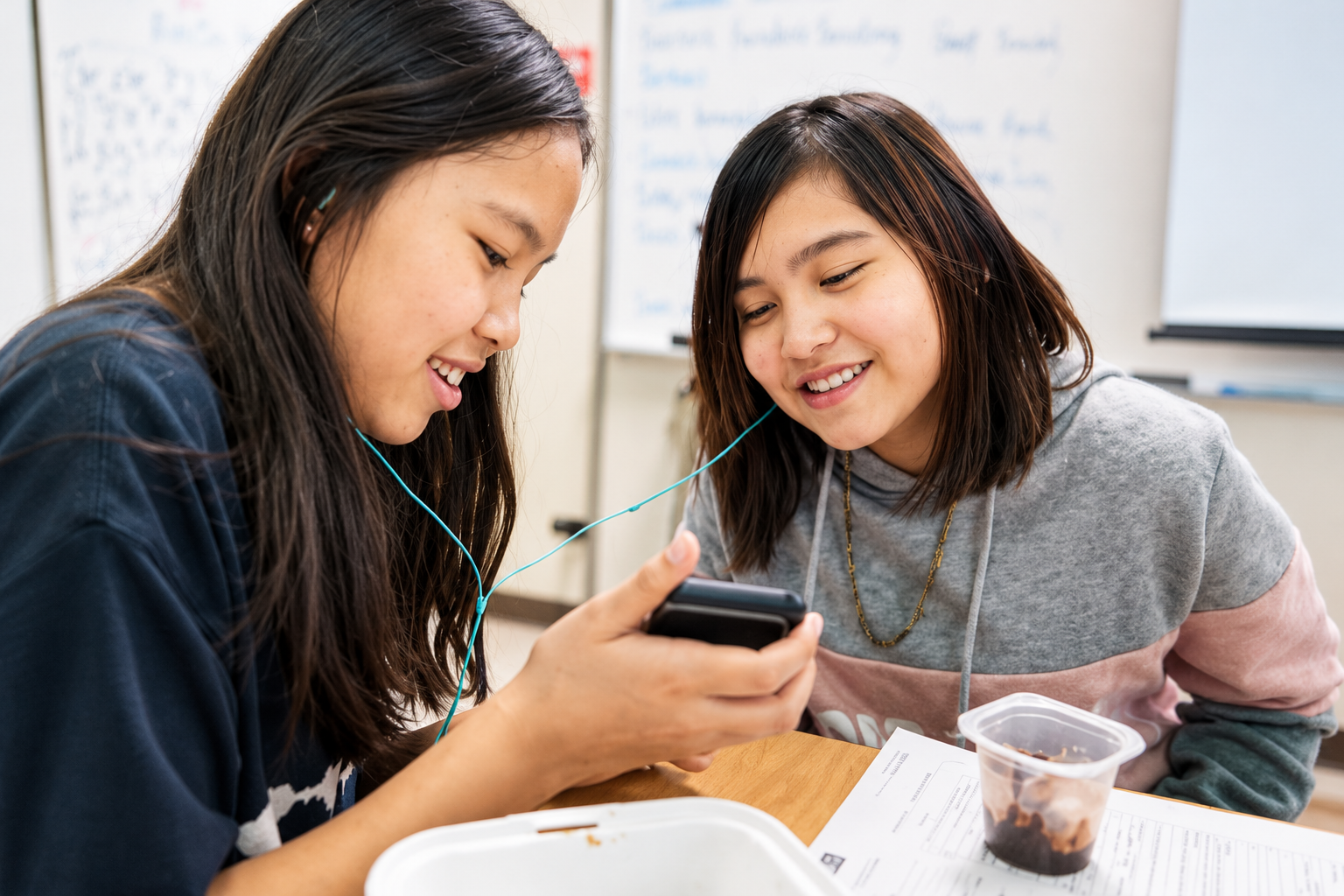
The Transitional Living Program is a community-based residential program located in the Edmonton area, designed to support young adults ages nineteen (19) to twenty-four (24) who require structured guidance as they move toward greater independence. The home, which has the capacity to accommodate three (3) provides a safe, stable, and supportive living environment that promotes accountability, skill development, and personal growth.
- •Core Skills Focus: Programming includes structured supports, practical teaching opportunities, and mentorship focused on strengthening independent living skills such as financial management, employment readiness, time management, communication, emotional regulation, conflict resolution, and healthy decision-making.
3. Family Living & Family Support Services
Temporary Stabilization | Reunification Focus
The Family Living Program is a community-based residential program located in the Edmonton area. It is designed to support parent(s) and/ or extended family members who require a structured, supportive environment to strengthen parenting capacity, stabilize family functioning, and work toward reunification, preservation, or safe transition planning. Families may reside in the home with or without their child or children, depending on the stage of service involvement and identified goals.


4. Medication Administration & Clinical Safeguards
High-Security Compliance | Policy E.7 Alignment
In order to ensure the ongoing safety and responsible practice in the dispensing of all medication, including prescription and non-prescription drugs, all employees must receive training via a qualified instructor (ie. medical personnel – nurse, pharmacist, etc.) and be knowledgeable and abide by agency practices. This will ensure that all precautions necessary are taken in the transportation, receipt, storage, administration and discarding of medication to prevent accidental or unauthorized use. All medications will be locked, including those that require refrigeration, and inaccessible by children or youth.
5. Emergency Crisis Stabilization & Short-Notice Intake
24/7 Crisis Bed Reserves | Low-Sensory Arrivals
We maintain dedicated emergency placement beds specifically reserved for immediate, short-notice intervention files from Child and Family Services (CFS) or Designated First Nations Agencies (DFNA). Upon short-notice arrival, our trauma-informed intake coordinators initiate a calm, low-sensory transition protocol, bypassing intensive paperwork during the initial phase to center completely on physical safety, food security, emotional containment, and stabilization.